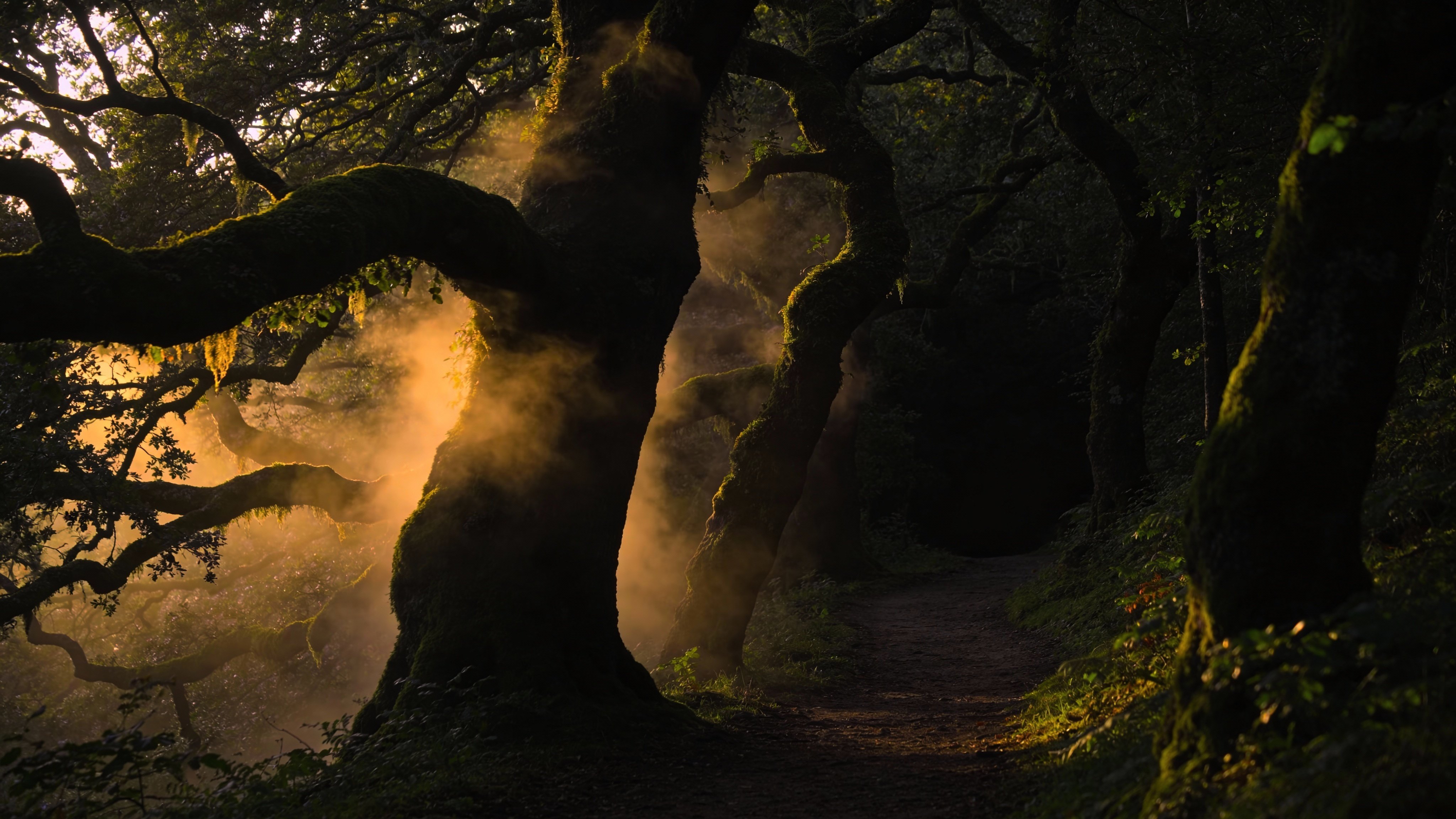
Archetypes
Archetypes in TOSK are not entities.
They are structured internal states used for disciplined inner work.
Archetypes in TOSK are not entities.
They are structured internal states used for disciplined inner work.
Archetypes in TOSK are not gods, demons, or mythological figures.
They are internal configurations of attention, posture, and intent.
Each archetype represents a functional mode of the inner system.
Nothing is invoked. Nothing is worshipped.
The archetype exists only while it is being applied.
The current structure of TOSK is built on three foundational archetypes. Each serves a distinct internal function.
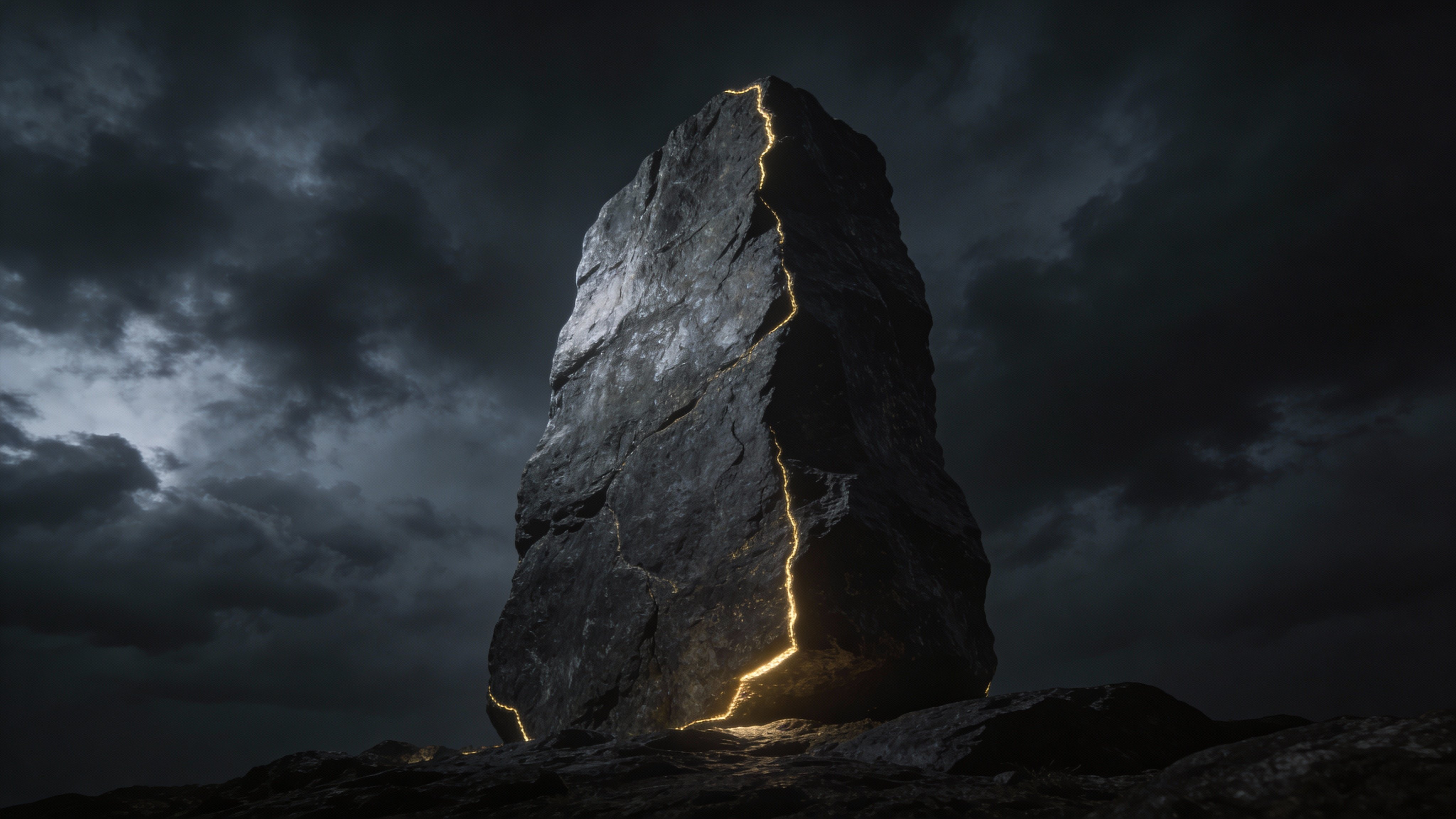
Structure · Core · Endurance
Tharog represents the internal core.
It is used when the individual lacks stability,
when identity is fragmented,
when inner posture collapses under pressure.
Tharog does not push forward.
It holds.
Will · Pressure · Forward Movement
Raghul represents directed force.
It is used when action is required,
when hesitation dominates,
when pressure must be applied and maintained.
Raghul is not aggression.
It is sustained forward intent.
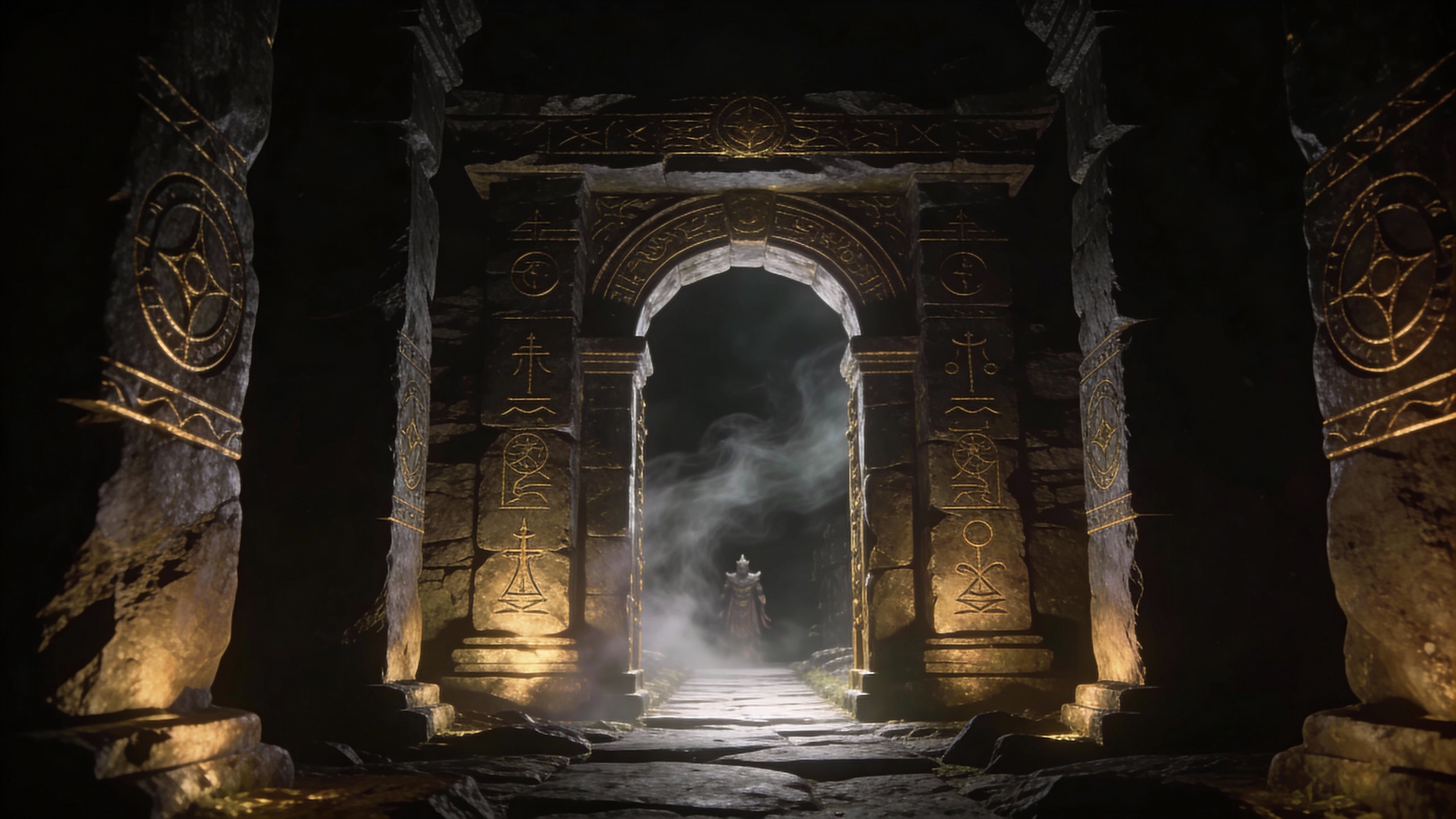
Silence · Observation · Precision
Ktarion represents controlled silence.
It is used when reaction overrides observation,
when emotion blurs perception,
when internal noise dominates.
Ktarion does not suppress.
It clears.
Archetypes provide structure.
Practice turns structure into stability.